BlogLiving in Vallarta
Aging in Place in Puerto Vallarta: A Practical Checklist for Retirees and Their Families
A guest article from RetireMexico: what to check in a neighborhood, a property, healthcare, home care and your budget before you choose where to live for the long term.
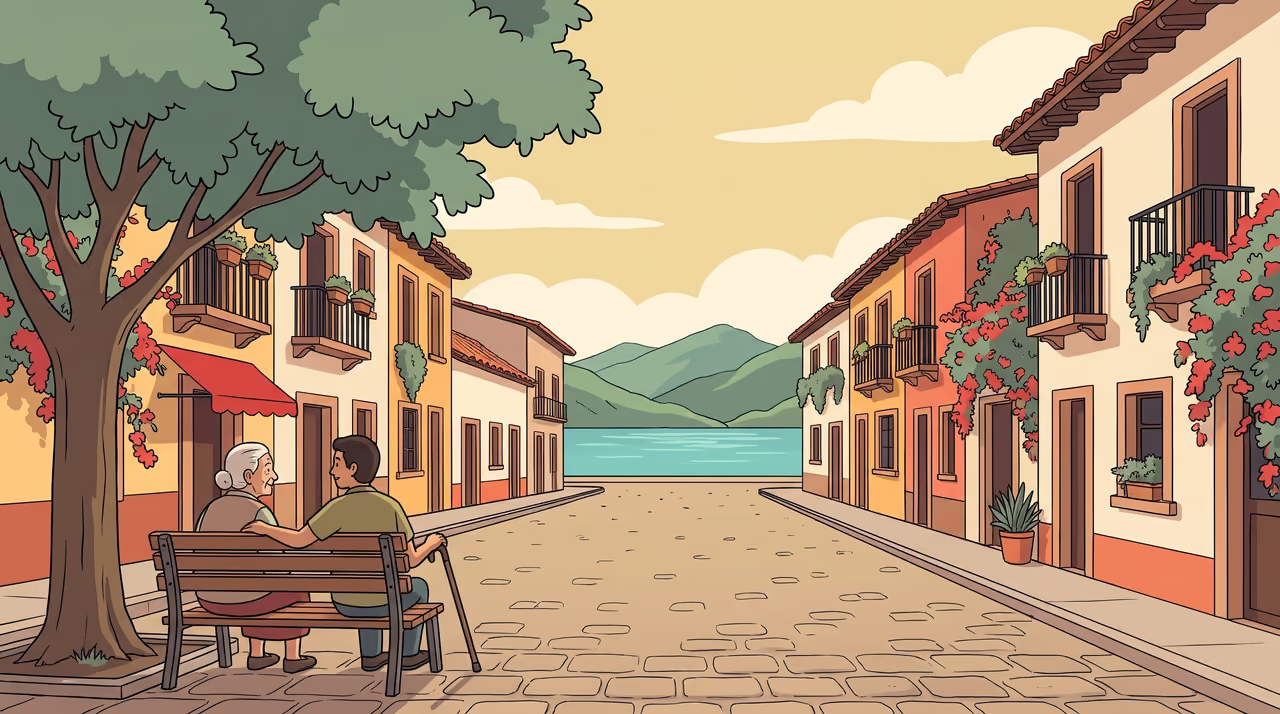
A condo overlooking Banderas Bay might be everything you want from retirement at 65. At 80, the steep road leading up to it might be the reason you rarely leave home. It's a consideration that doesn't always come up when looking at properties in Puerto Vallarta, particularly when you're still active, healthy and accustomed to doing everything yourself.
Whether you're retiring in Vallarta or considering moving an elderly parent closer to you, it is worth thinking about how everyday life might change over the next five, ten or fifteen years.
Here are some things to consider before choosing a place to live.
1. Walk the neighborhood before committing to a property
There is a difference between living within walking distance of a supermarket and actually being able to walk there comfortably.
Parts of Centro and the Romantic Zone have uneven cobblestone streets, high curbs and steep inclines. Marina Vallarta is generally flatter, while hillside properties in areas such as Conchas Chinas can make getting around without a car more difficult.
Walk the routes you would regularly use and ask yourself:
- Are the sidewalks wide and reasonably even?
- Are there steep hills between the property and essential services?
- Are there shaded places to sit and rest?
- Can I safely cross the surrounding streets?
- Would these routes be manageable with a cane or walker?
It is also worth visiting during the warmer, wetter months, when a short walk can feel considerably more demanding than it does in January.
2. Look at the property with future mobility in mind
You may have no difficulty climbing stairs today, but a knee replacement, an unexpected fall or a temporary illness can quickly change that.
When viewing a house or condominium, pay attention to:
- Steps between the street and the front door.
- Elevator access from the parking garage to the apartment.
- Bathroom dimensions and walk-in showers.
- Doorway widths and space for mobility equipment.
- Whether grab bars could be installed if needed.
- Whether an ambulance or emergency personnel could easily reach the property.
These details are particularly important when purchasing a property you intend to live in permanently.
3. Imagine life without a car
Giving up driving can be one of the biggest adjustments people face as they get older, especially when living abroad.
Puerto Vallarta has taxis, ride-hailing services and public transportation, but their suitability depends on the individual's mobility and where they live.
Before settling on a neighborhood, consider how you would get to a doctor's appointment, collect prescriptions or visit friends if driving were no longer an option.
For families bringing an elderly parent to Mexico, it is also worth discussing whether that parent would be comfortable arranging transportation independently or would rely on family members.
4. Establish a healthcare routine before you need one
Puerto Vallarta has several private hospitals, including CMQ Premiere and Hospital San Javier, as well as specialist clinics and rehabilitation services.
However, having a hospital nearby is only one part of the equation.
Before moving, consider:
- Finding a primary care physician you can communicate with comfortably.
- Checking whether your regular medications are available locally.
- Understanding what your health insurance covers in Mexico.
- Identifying nearby emergency departments.
- Keeping copies of medical records and prescriptions accessible.
- Setting aside money for unexpected medical expenses.
If you have an existing medical condition, speak with your doctor about whether the necessary specialist care is available locally and how frequently you might need to travel for treatment.
5. Find out what help is available at home
Needing assistance does not necessarily mean leaving your home.
Someone recovering from surgery might only need temporary support with meals, bathing or household tasks. Others may gradually require help with medication, personal care or overnight supervision.
When researching home care in Puerto Vallarta, ask about caregiver qualifications, language skills, working hours and whether replacement staff are available when a regular caregiver is absent.
It is particularly important to distinguish between domestic assistance, personal caregiving and qualified nursing care. Each serves a different purpose, and the costs can vary considerably.
6. Understand the local senior living options
Even if moving into a senior residence is not something you currently anticipate, knowing what is available locally can make future decisions less overwhelming.
Puerto Vallarta has several forms of residential senior care:
- Independent living: For older adults who manage their daily activities but prefer a community setting with certain services provided.
- Assisted living: For people who need regular help with bathing, dressing, meals or other daily activities.
- Nursing care: For residents who require ongoing medical supervision or more complex physical care.
- Memory care: Specialized support for people living with Alzheimer's disease or other forms of dementia.
- Short-term care: Temporary residential support following an illness, injury or hospital stay.
Services, staffing, language capabilities and monthly fees differ between residences. Some accommodate changing care needs, while others may require residents to relocate if their condition progresses.
A directory of senior living and care options in Puerto Vallarta can help families become familiar with the different arrangements available locally before they need to make a decision.
7. Budget for more than the cost of housing
Retirement budgets often account for rent, property maintenance, groceries, utilities and leisure activities. Future care expenses are easier to overlook.
Consider how your monthly expenses might change if you needed regular physiotherapy, private transportation, home modifications or a caregiver several days a week.
For couples, it is also worth thinking about what would happen financially if one partner needed residential care while the other continued living at home.
Having a separate reserve for healthcare and caregiving can provide more flexibility when circumstances change.
8. Think about who will be around you
Social connections become particularly important when moving abroad later in life.
Puerto Vallarta has an established international community, volunteer organizations, religious communities and social groups. Nevertheless, building meaningful relationships takes time.
For someone moving an elderly parent to Vallarta, proximity to family should not be the only consideration. Will that parent have opportunities to make friends, maintain familiar hobbies and develop a routine of their own?
It is also helpful to identify someone locally who could assist in an emergency, particularly if close relatives live outside Mexico.
Before making the move
If circumstances allow, consider renting before buying. Spend time in the neighborhood, use local transportation, visit a healthcare provider and see what an ordinary week looks like outside the holiday season.
And if you are planning a move on behalf of an elderly parent, involve them in these decisions as much as possible. Their preferences about privacy, independence, language, social life and care deserve just as much attention as the practical arrangements.
A little planning while you are healthy and independent can give you considerably more choice over how and where you live as you grow older.
About the author
Enelin Toneva lives in Puerto Vallarta and is the founder of RetireMexico, a directory and advisory service that helps older adults and their families understand senior care options in Mexico.
A note from Boardwalk Realty
The first two points on this list are the ones we walk through with clients who are buying a home to grow older in. The neighborhood shapes daily life as much as the unit does: Marina Vallarta is flat and compact, the Romantic Zone puts restaurants and services within a few blocks but on cobblestones and hills, and Conchas Chinas trades its views for stairs and a car. Our guide to the best neighborhoods in Puerto Vallarta for retirees compares them in more detail, and the cost of living in Puerto Vallarta post covers the monthly budget.
When you start looking, tell us how you plan to live in the property and what you need to be within walking distance, and we will narrow the list before you visit. Our Puerto Vallarta real estate search covers the whole bay.