BlogBuyer guides
Best Beaches in Puerto Vallarta: Which One Is Right for You
A practical map of the bay's beaches by access and crowd: which you can walk to, which take a water taxi, and what suits whom.
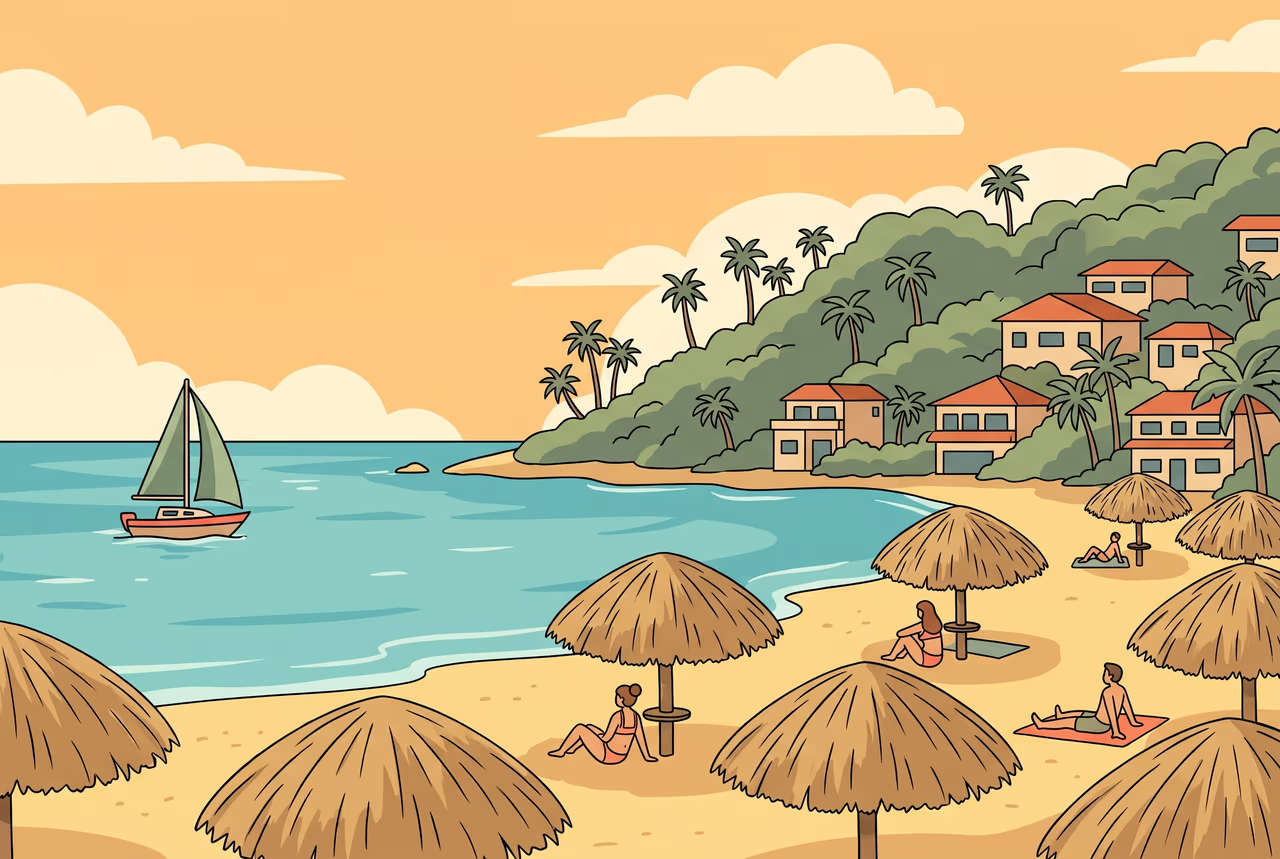
Search for the best beaches in Puerto Vallarta and you mostly get superlatives. What a first-time visitor, or someone deciding where to base themselves, actually needs is more practical: which beaches you can walk to, which take a drive or a water taxi, how crowded each one gets, and what kind of day each is good for. The bay has more than a dozen beaches worth knowing, and they are not interchangeable. This is a plain map of the Puerto Vallarta beaches people ask about most, grouped by how you reach them.
The short version
- The in-town beach is Los Muertos, along the Romantic Zone: the busiest, the most services, and the main water-taxi pier.
- For quieter sand nearby, Conchas Chinas and Las Gemelas sit a short trip south.
- For calm, family days, the Hotel Zone beaches (Playa de Oro) and the strands north of the city are wide and easy.
- The south shore (Mismaloya by road, Yelapa and Las Animas by boat) trades convenience for a jungle-backed, slower setting.
- The Marietas Islands and Hidden Beach are a regulated boat tour, not a drop-in.
The busiest beach in Puerto Vallarta: Los Muertos
Los Muertos is the beach most people mean when they picture a beach in Puerto Vallarta. It runs the length of the Romantic Zone (Zona Romantica) on the south side of downtown, so you can reach it on foot from most Old Town lodging. That access is both the draw and the drawback. It is the liveliest strip in the city, lined with restaurants, bars, and beach-chair vendors, and it is also the most crowded, especially midday in high season. The sand is coarse and gray-gold rather than powder, the water is fine for a swim, and the Los Muertos pier is the main departure point for water taxis to the south-shore beaches. If you want services within arm's reach and do not mind company, this is the one. If you want quiet, keep reading.
Quieter sand a short trip south
Conchas Chinas sits just south of Los Muertos, roughly a ten-minute drive or a longer walk down the coast. It is a string of small rocky coves rather than one long beach, with clearer water, tide pools, and decent snorkeling when the sea is calm. The hillside above it is one of the city's more expensive residential pockets, which is where the old "Beverly Hills of Puerto Vallarta" nickname comes from. Access is on foot, down public rights-of-way between the houses, and there is less usable sand at high tide, so it rewards a little timing.
Farther along the highway toward Mismaloya, Las Gemelas ("the twins") is a pair of small adjacent beaches with white sand and clear water. They are public but reached by a staircase down from the road, parking is limited, and the sand fills up, so early beats late.
The Hotel Zone and Playa de Oro: wide, calm, family beaches
North of downtown, the Hotel Zone fronts a long, straight stretch of beach that includes Playa de Oro. For many visitors this is the picture of a Puerto Vallarta Mexico beach, the classic resort strand: wide golden sand, calmer water than the open south shore, and easy access beside or through the hotels. It suits families and anyone who wants a lounger, an umbrella, and a swim without much fuss. It is less about local character than about comfort and space. The same calm-water, resort-lined pattern continues past Marina Vallarta and north through Nuevo Vallarta, which is worth knowing if a low-key Vallarta beach day is the goal rather than the energy of Los Muertos.
Mismaloya and the south shore you drive to
Playa Mismaloya is about twenty minutes south of the Romantic Zone by road, in a small cove backed by jungle. It is best known as the filming location for the 1964 movie "The Night of the Iguana," which put Puerto Vallarta on the map for a generation of visitors. The beach itself is modest, with palapa seafood restaurants along the sand and green hills behind it. Just offshore is Los Arcos, a protected marine area of rock arches and islets that is one of the better snorkeling and diving spots in the bay. Mismaloya is an easy half-day if you have a car, or you can reach it by bus or taxi down the coast highway.
The water-taxi beaches: Yelapa and Las Animas
The south end of the bay has no coast road, so the beaches there are reached by boat, either a scheduled water taxi from the Los Muertos pier or Boca de Tomatlan, or as a stop on a bay tour.
Yelapa is the best known: a small fishing village at the far south of the bay with no cars, a beach lined with simple restaurants, and a walkable trail to a waterfall behind the village. It is a genuine change of pace and a common day trip, though the boat ride (roughly 30 to 45 minutes) makes it a plan rather than a spur-of-the-moment stop. Vendors on the beach sell the local pies Yelapa is known for.
Las Animas is closer in and livelier, with a wider beach, shallow water, beachfront seafood restaurants, and add-ons like zip lines and horseback riding aimed at day-trippers. It sits near Quimixto and Majahuitas, so it is easy to combine two or three of these small beaches into one boat outing.
The honest way to choose a beach here is by how far you are willing to travel and how much company you want, not by which one a brochure calls the best.
The Marietas Islands and Hidden Beach
The most photographed spot in the region is not on the mainland at all. The Marietas Islands sit off the north side of the bay, near Punta de Mita, and their Hidden Beach (Playa del Amor) is a patch of sand inside a collapsed cave, open to the sky but reached by swimming through a low water tunnel. It is a national park, and access is capped and regulated to protect the site. You go with a licensed operator, on a booked tour, and entry to the beach itself is limited by the tide and a daily visitor quota. Treat it as a planned excursion from the Punta de Mita or Nuevo Vallarta side, not a beach you can simply show up to. The snorkeling around the islands is the other reason to make the trip.
Reading the beach flags
Many Puerto Vallarta beaches fly a colored flag for the day's water conditions, and it is worth knowing the system before you swim. The colors follow the standard international beach-warning code:
- Green: calm conditions and low hazard. Safe to swim.
- Yellow: moderate surf or currents. Swim with caution.
- Red: strong surf or currents and high hazard. Swimming is not advised.
- Black, or double red: the water is closed. Do not go in.
- Purple: dangerous marine life in the water, such as jellyfish. It is usually flown alongside another flag.
Around Banderas Bay, a purple flag usually means jellyfish, and now and then a short-tail stingray resting in the shallows, both more common in the rainy season from roughly June to October. The bay is also home to crocodiles, which live in the coastal esteros, the mangrove canals and small rivers that drain into the sea, and are seen a little more often in those same rainy months when higher water lets them move. They keep almost entirely to the estuaries, marina channels, and river mouths rather than the swimming beaches, so the practical habit is simple: heed any sign posted near an estuary or channel, and do not swim right where a river meets the sea, especially at dawn or dusk. On the open beaches themselves, a jellyfish sting eases with a vinegar rinse, and shuffling your feet in the shallows warns a resting stingray off.
On a day with visible surf and no flag posted, ask a lifeguard or a local before going in. Conditions on the open south-shore beaches can differ a lot from the calm water inside the bay.
Which Puerto Vallarta Beach Suits You
There is no single best beach for everyone. If you want walkable services and energy, base near the Romantic Zone and Los Muertos. If you want calm water and room for a family day, the Hotel Zone and the beaches north of it are the easier call. For quiet and snorkeling, Conchas Chinas, Las Gemelas, and Mismaloya reward a short trip. For a full day away, the water-taxi beaches and the Marietas tour are the payoff, as long as you plan around the boat schedule. Put simply, the best beaches in Puerto Vallarta Mexico are the ones that match the day you want and how far you will go for it, and most visitors end up with two or three favorites rather than one.
Thinking about a place near the beach?
Plenty of people come for the beaches and leave wondering what it would take to wake up near one. If that is you, our Puerto Vallarta property search lets you filter the bay's listings by area, so you can look specifically at what sits within walking distance of the water: in the Romantic Zone near Los Muertos, along the calmer Marina Vallarta and Hotel Zone strands, or up the coast toward Punta de Mita. Tell us which kind of beach day you keep coming back for, and how you plan to use the property, and we can point you to the neighborhoods that put it at your doorstep, and the ones that only look that close on a map.
And if one beach on this list made you want a closer look, browse Puerto Vallarta real estate by area to see what is for sale near it.