BlogLiving in Vallarta
Living in Puerto Vallarta as an Expat: A Guide to Settling In
The practical side of a move to the bay: residency, healthcare, money, getting around, and finding your footing in the first few months.
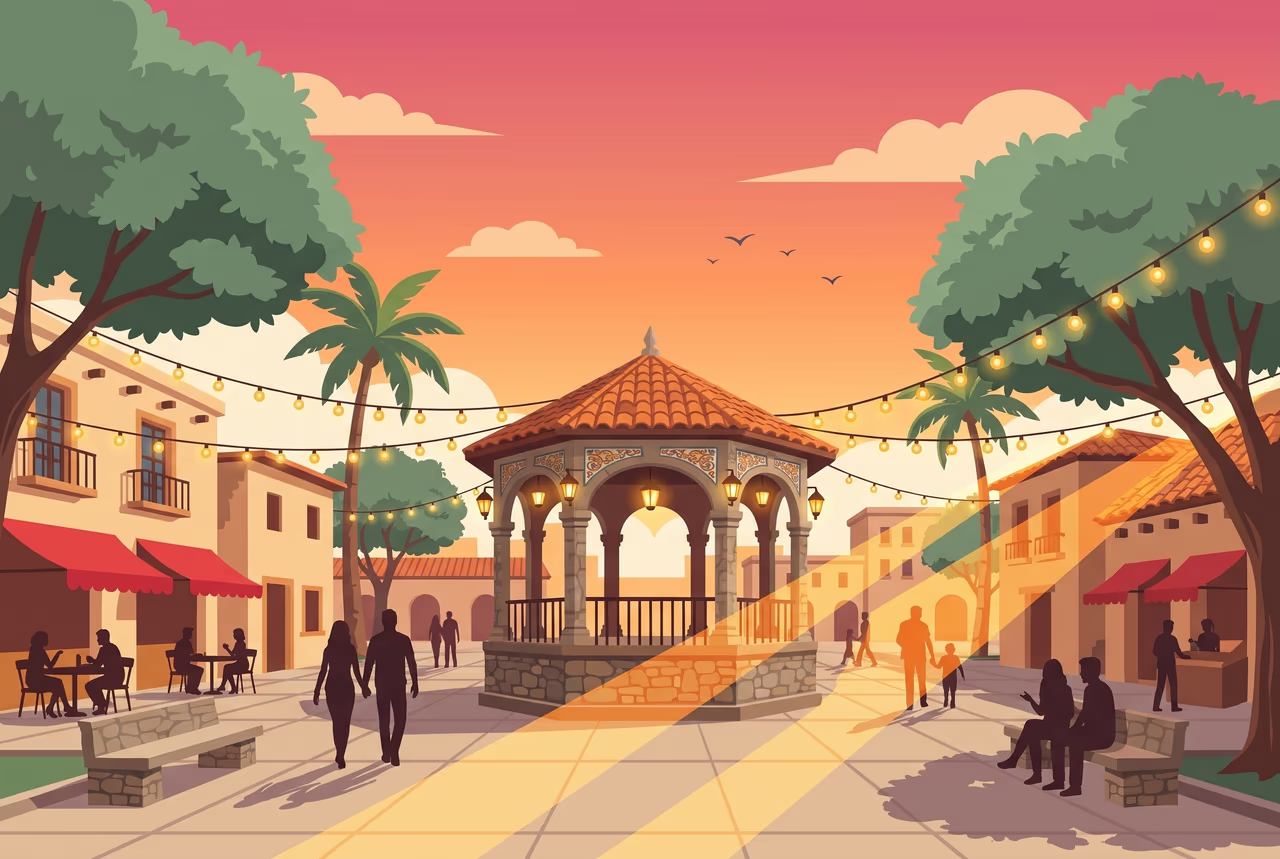
Puerto Vallarta is an easy place to fall for and a more involved place to actually move to. The beaches, the food, and the long-settled foreign community are all real, but the difference between a smooth first year and a frustrating one usually comes down to ordinary systems you set up early: how you handle your visa, where you bank, who your doctor is, and how you get around. This guide walks through those practical pieces. One caveat throughout: rules change, so treat what follows as orientation and confirm current specifics with the proper authorities before you rely on them.
Sorting out residency
Most people arrive first as tourists, spend a season or two figuring out whether the bay fits, and only then commit to residency. That order is sensible. When you are ready, the two common paths are temporary and permanent residency, and the application is generally started at a Mexican consulate in your home country before you move, not after you land. Both routes typically ask you to show financial solvency through income or savings over a threshold set by the authorities and reviewed periodically.
The process runs partly abroad and partly at the immigration office (INM) once you are here, so it rewards early planning and clean paperwork. Many newcomers use a facilitator or attorney for the first application to avoid missteps that cost months, and everyone should confirm current requirements directly with the consulate or INM rather than an old forum thread.
Healthcare
Puerto Vallarta has modern private hospitals and clinics, and many doctors and dentists are bilingual, with training in the US or Canada. Out-of-pocket costs for routine care are often lower than North Americans expect, so some residents pay directly for everyday visits and carry insurance mainly for emergencies and hospitalization.
Coverage options include private Mexican insurance, an international plan that travels with you, or the public system (IMSS) once you hold residency. Each has trade-offs in cost, network, and age limits, so compare them before you need care rather than after. At a minimum, know which hospital you would use in an emergency and keep that information where your household can find it.
Money and banking
Opening a Mexican bank account generally requires residency plus a passport, proof of address, and your immigration document, so many people spend their first months on foreign cards and ATM withdrawals. That works, but watch foreign-transaction fees and daily limits, and expect that cash still matters for markets, small vendors, and tips.
When you open a local account, the banks expats use most include BBVA, Santander, and Banorte. Bring more documentation than you think you need and be patient, since requirements vary by branch. Cards are widely accepted in restaurants and shops, but keeping some pesos on hand keeps daily life simple.
Getting around
You can live here comfortably without a car, especially in the walkable central neighborhoods around Old Town and the Malecon. The city bus network is cheap and covers a lot of ground, taxis are everywhere, and ride-hailing apps operate in the area.
A car is workable, but go in with clear eyes: cobblestone streets, one-way lanes, speed bumps (topes), and tight parking in the busiest zones all shape the experience. Many residents keep a vehicle for weekend trips while walking or taking the bus day to day. The international airport, with direct flights to many US and Canadian cities, is a genuine asset when family visits or you travel back for appointments.
First-month checklist
- Confirm your residency path and documents with the consulate or INM before you commit
- Pick a hospital and a coverage plan, and note both where you can find them
- Set up foreign cards for ATM access while you work toward a local account
- Learn one bus route and save a taxi or ride-hail app before you need it
- Register for a Spanish class in your first weeks, not your first year
The rhythm of the year
The bay runs on two seasons, and knowing them changes how you plan. The dry season, roughly November through April, is cooler, less humid, and busy with visitors, which is why so many part-time residents time their stays for it. The green season, roughly June through October, is hot and humid with heavy afternoon and evening storms, quieter streets, and lower prices.
Neither season is a problem once you know what to expect. Air conditioning matters in summer, and so does a home that catches a breeze. If you plan to live here year-round, spend time in the green season before you buy, since a place that feels perfect in February can feel very different in September.
Learning the language
Plenty of locals in tourist areas speak English, so you can get by on very little Spanish. Getting by and settling in are different things. Even basic Spanish smooths daily interactions, earns goodwill, and makes practical errands (banking, utilities, a doctor visit) far less stressful. Local schools offer courses aimed at newcomers, and steady practice beats cramming. Treat it as part of moving in, not an optional extra.
Finding your community
One of the real draws here is how easy it is to find people. Established groups such as the International Friendship Club, along with other clubs and charities, run events and volunteer projects that make it simple to meet others in your first weeks. Volunteering is also one of the fastest ways to build a network and feel useful in a new place.
The one thing worth balancing is how much you stay inside the expat bubble. The community is a soft landing, not a ceiling. The residents who feel most at home tend to keep one foot in local life as well, at the neighborhood market, the corner restaurant, the building where they learn everyone's name.
Settling in for real
A move to Puerto Vallarta goes best when you treat the first few months as setup rather than vacation. Handle the paperwork early, settle your healthcare, sort out money and transportation, start on the language, and lean on the community while you find your footing. Do those things and the parts that drew you here, the coastline, the pace, the people, become ordinary in the best way. If you are weighing neighborhoods or want to understand how a purchase fits into the residency picture, Boardwalk is happy to talk it through and point you toward the right local resources for the rest.